

How to Choose a HubSpot Partner in Portugal (2026)
How to choose a HubSpot partner in Portugal in 2026: partner tiers, local vs international partners, pricing models and a 6-step decision process.

2 mins read
Link37 Team
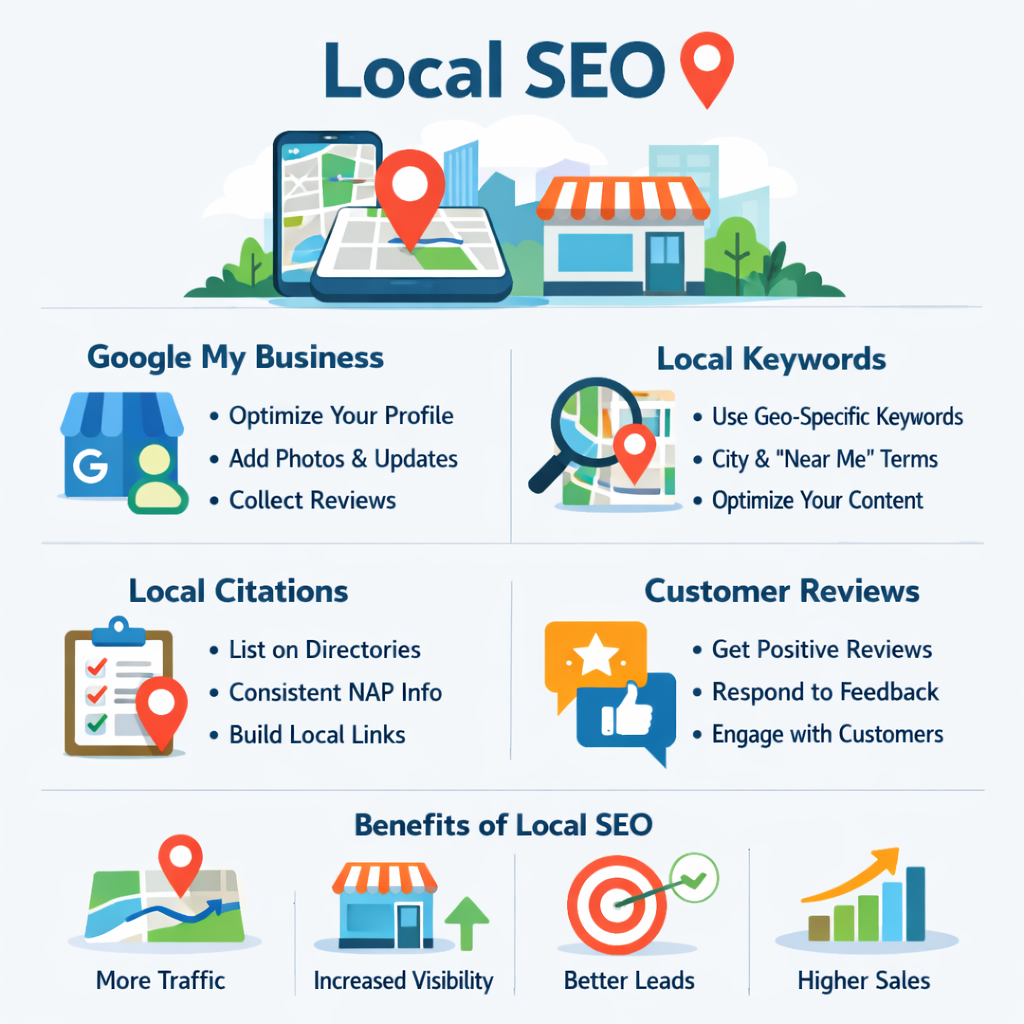
Local SEO is often overlooked by small businesses, yet it is one of the most powerful strategies to support sustainable growth. Investing in Local SEO increases brand awareness, improves visibility in nearby searches, and drives more visits to physical stores.
In fact, 72% of local Google searches result in a visit to a store, while nearly 56% of local businesses still don’t have a Google Business Profile. This makes Local SEO not just important — but essential.
Its relevance has grown even further in recent years, as consumers increasingly search for products and services close to home.
If you’re unsure how Local SEO works or how to apply it to your business, this guide will walk you through the fundamentals — in a simple and practical way.
What is Local SEO?
How Local SEO works and how you can implement it
Claim your business on Google Business Profile
Invite customer reviews and answer questions
Focus on link building
Add rich media such as photos and videos
Local SEO is one of those concepts that many people interact with daily — even if they don’t realise it.
Let’s look at a simple example.
Imagine John is meeting friends for dinner. They agree on Italian food but don’t know where to go. John pulls out his phone and searches for “Italian restaurant near me.”
Instantly, Google shows several nearby restaurants.
That’s Local SEO in action.
Local SEO is a set of strategies designed to increase visibility, traffic, leads, and sales for businesses with a physical location. Its primary goal is to bring people from online searches directly into physical stores.
It’s important to note that Local SEO is not just about having a Google Business Profile.
Local SEO is part of a broader Search Engine Optimisation strategy, with a specific focus on geographic relevance.
For most businesses, an effective SEO strategy should always include a local component.
Like traditional SEO, Local SEO relies on several ranking factors that influence your position on Google’s search results page (SERP).
These include:
keywords
location signals
backlinks
content quality
on-page SEO
technical SEO
overall website authority
The key difference is that everything must have a local focus.
According to Google, local rankings are determined by three main factors:
How well your business matches what the user is searching for. This is where strong SEO optimisation makes a real difference.
How close your business is to the searcher’s location. This is why accurate business listings and address consistency are critical.
How well known your business is online. Mentions, reviews, backlinks, and brand visibility all influence this factor.
Adding your business to Google is a crucial first step — but simply creating the profile is not enough.
Your profile must be:
verified
fully completed
regularly updated
aligned with your website information
Your business name, address, phone number, opening hours, categories, and attributes must be accurate and consistent across all platforms.
Using relevant local keywords in your business description also helps Google understand what you offer and where you operate.
Business categories help Google understand when to display your business.
For example, instead of using a generic category like Restaurant, it’s better to be specific:
Italian Restaurant
Pizzeria
Sushi Restaurant
Attributes provide additional details about your services, such as:
takeaway
delivery
dine-in
accessibility options
contactless delivery
Google regularly updates these attributes based on user behaviour and market trends.
Customer reviews play a major role in Local SEO performance.
Google rewards businesses that:
receive frequent reviews
maintain high ratings
actively respond to customer feedback
Reviews signal trust, credibility, and popularity — all of which influence local rankings.
Encourage customers to leave reviews by:
asking in-store
including review links in emails
sharing review requests on social media
Using relevant keywords naturally within reviews can also contribute positively to rankings.
Just like general SEO, link building is essential for Local SEO.
Link building refers to getting other websites to reference your business website.
Why does this matter?
Google uses backlinks as a signal of authority and trust. When reputable websites link to yours, it indicates that your content is valuable and credible.
However, links must be:
natural
relevant
from trustworthy sources
Avoid buying or exchanging links, as this can negatively impact rankings.
Directories
List your business in reputable directories related to your industry, such as Google Business Profile, Yelp, TripAdvisor, or local chambers of commerce.
Social media platforms
Maintain active profiles on platforms relevant to your business, such as Instagram, Facebook, LinkedIn, or Pinterest.
Local media and articles
Being mentioned in local news, blogs, or community websites significantly strengthens local authority.
Photos and videos play a crucial role in Local SEO.
Google increasingly displays information directly on search results pages through:
featured snippets
image results
video previews
Google Business Profiles
By adding high-quality images and videos to both your website and your Google Business Profile, you can:
improve rankings
increase visibility
boost engagement
encourage physical visits
Visual content also helps customers better understand your products, services, and atmosphere before visiting your location.
While this guide provides a strong introduction to Local SEO, implementing a successful strategy requires consistent planning, execution, and optimisation.
Local SEO involves multiple elements working together — from technical SEO and content to reputation management and visibility.
That’s where Link37 comes in.
We help businesses design and implement comprehensive digital marketing strategies that increase local visibility, drive qualified traffic, and convert online searches into real-world customers.
If you want to strengthen your local presence and grow your business, talk to our team and discover how we can help.
Related articles
How to Choose a HubSpot Partner in Portugal (2026)
How to choose a HubSpot partner in Portugal in 2026: partner tiers, local vs international partners, pricing models and a 6-step decision process.
Related articles
Demystifying SEO: What It Is and Why It Matters
Learn what SEO is, why it matters, and how customer-centric strategies and tools like SEMrush improve your website's visibility.
Related articles
Search Engine Optimization (SEO)
Learn how SEO can drive traffic, enhance user experience, build trust, and increase brand awareness, making it essential for your digital marketing strategy.