

Digital Marketing
What is Inbound Marketing?
Discover the essentials of inbound marketing: its methodology, key components, benefits and the steps to implement it in your strategy.

2 mins read
Link37 Team
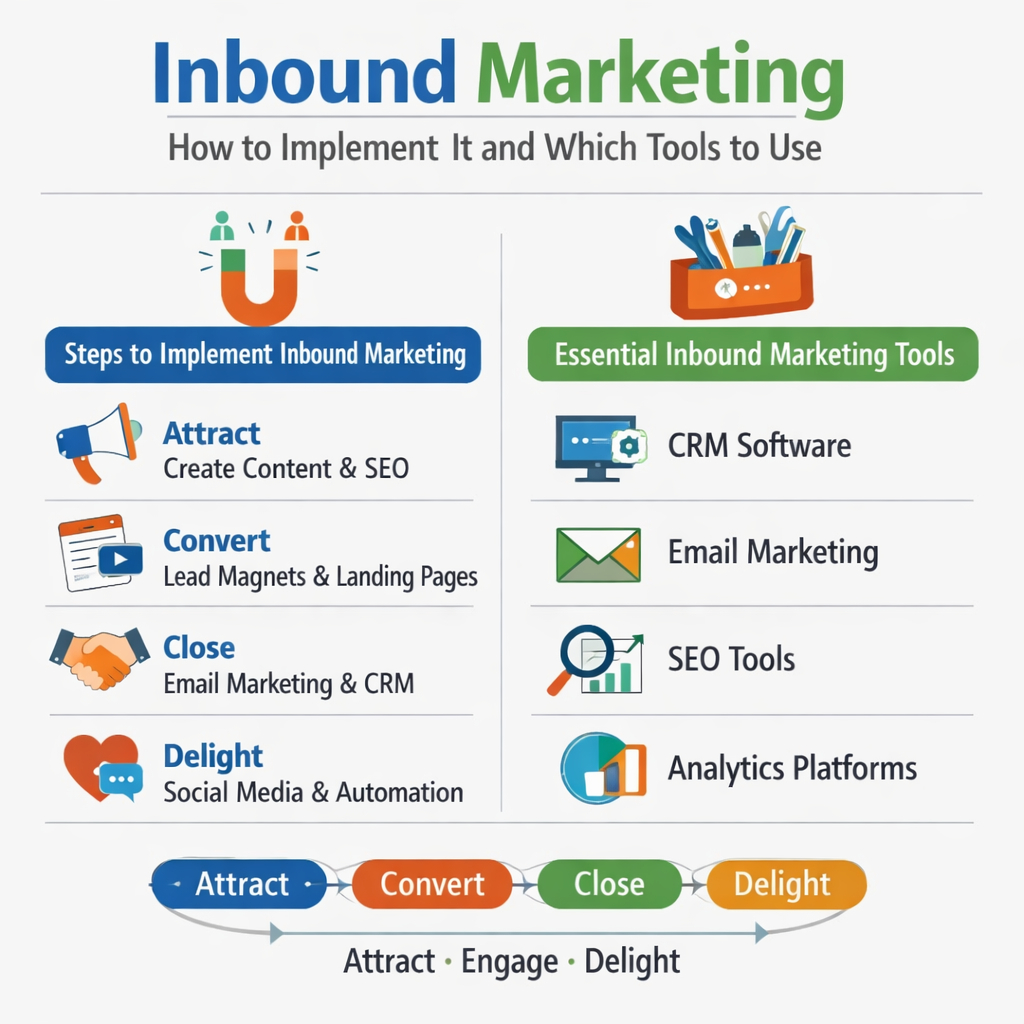
In a world where consumers are increasingly informed and connected, traditional marketing has given way to more subtle and effective strategies. One of the most relevant is inbound marketing — a methodology that allows brands to attract, convert, close, and delight customers in an organic way, aligned with their real interests.
In this article, we explore the main stages of inbound marketing, how to implement it effectively, and which tools can help optimize each phase of the process.
Inbound marketing is a methodology focused on attracting customers through useful, relevant content. Instead of interrupting users with invasive advertising, inbound marketing aims to be discovered by people who are actively searching for solutions.
Unlike traditional marketing, which relies heavily on paid media and aggressive tactics, inbound marketing is built on content creation, SEO optimization, and automation, delivering sustainable and long-term results.
The first step is to attract qualified traffic to your website or platform through valuable content that answers real questions and needs.
Key strategies:
Blog content aligned with audience interests
SEO optimization to improve visibility in search engines
Social media promotion to extend content reach
Once visitors arrive, the goal is to convert them into leads by offering something valuable in exchange for their contact information.
Key strategies:
Landing pages with exclusive content (ebooks, guides, templates)
Contact forms placed strategically across the website
Premium offers such as webinars, free trials, or gated resources
At this stage, leads are nurtured and guided toward becoming customers through personalized and timely communication.
Key strategies:
Email marketing with personalized messaging
Marketing automation workflows that deliver content at the right moment
CRM systems to manage contacts and track progress
Inbound marketing doesn’t end with conversion. The goal is to deliver exceptional experiences that foster loyalty and turn customers into brand advocates.
Key strategies:
Exceptional customer support
Personalized and exclusive content
Surveys and feedback loops to continuously improve
To implement inbound marketing effectively, a clear and structured strategy is essential:
Define your buyer personas
Build a content strategy aligned with user needs
Optimize all content for SEO
Use automation tools to scale processes
Measure, analyze, and optimize continuously
“Content is still king, but interaction is what matters.”
— INBOUND 2024
Create content that truly adds value. Authentic, concise, and relevant messages resonate more than ever.
Every interaction should help users make better decisions and feel supported throughout their journey.
Feedback is essential. Listening and adapting strengthens relationships and improves results.
AI helps automate repetitive tasks, freeing teams to focus on strategy, creativity, and meaningful interactions.
Inbound marketing doesn’t end after attracting and converting leads. The real impact comes from maintaining momentum, nurturing relationships, and delivering consistent value.
By combining the right tools, automation, and AI, brands can build long-term relationships and create experiences that truly resonate.
Related articles
What is Inbound Marketing?
Discover the essentials of inbound marketing: its methodology, key components, benefits and the steps to implement it in your strategy.
Related articles
Inbound vs Outbound Marketing: Which Is the Best Choice?
Discover the key differences between Inbound and Outbound Marketing and learn which strategy can best reach and engage your target audience.
Related articles
What is Marketing Automation and Why Use It in HubSpot?
Discover how marketing automation in HubSpot improves lead management, strengthens customer relationships and drives growth with data-driven campaigns.