

E-commerce
What Is the Best E-commerce Platform?
Compare the pros and cons of Squarespace, Shopify, WooCommerce, Magento and BigCommerce to find the best e-commerce platform for your business.

2 mins read
Link37 Team
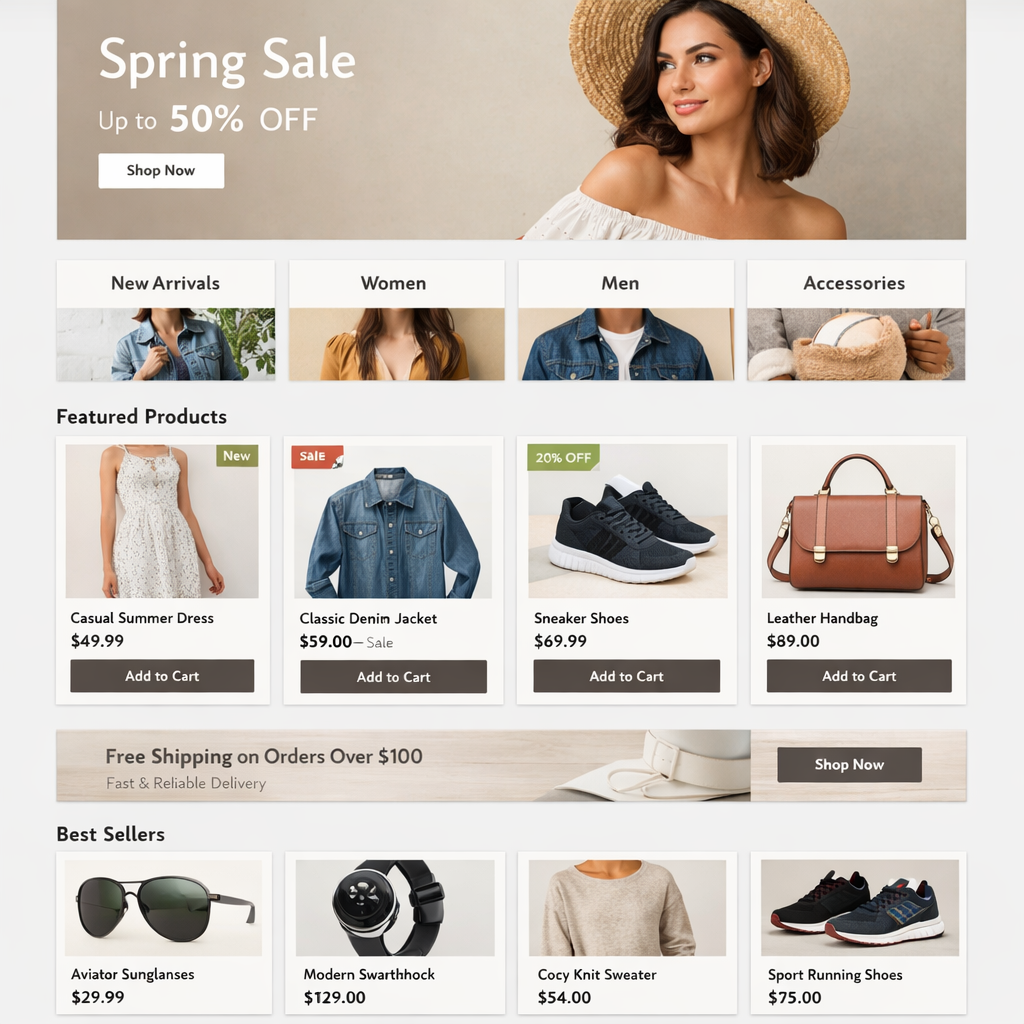
After covering the core concepts of e-commerce, this second part of the article focuses on additional strategic aspects that are essential for building a sustainable online business.
“Good content is the best sales tool in the world.”
— Marcus Sheridan
In recent years, online businesses have grown exponentially, increasing the pressure on brands to establish a strong and differentiated digital presence.
The first online stores were primarily extensions of physical shops, created to support traditional sales. Fashion brands, electronics retailers and supermarkets were among the pioneers.
Over time, e-commerce evolved into a powerful channel for innovation, experimentation and digital-first business models. Today, many products and services exist exclusively online.
Examples include:
Digital products (info-products)
Online courses and training programmes
E-books
Video content subscriptions
Consultancy and coaching services
Rental services
Product personalisation
Custom research and tailored solutions
A concept closely linked to e-commerce growth is dropshipping — a business model where the retailer acts as an intermediary between supplier and customer. The supplier handles storage and shipping, while the brand focuses on marketing and sales.
A multichannel strategy is increasingly important in reaching and retaining digital consumers — who themselves already use multiple platforms.
However, the most important factor is not the number of channels, but the quality and consistency of the customer experience.
Content management, brand coherence and message alignment are essential to ensure a seamless journey across all touchpoints.
When budgets are limited, brands must identify where their target audience is most active and prioritise those channels — always with the customer experience as the central focus.
Voice search is becoming one of the most disruptive trends in digital commerce.
Assistants such as Siri, Alexa, Google Assistant or Bixby are transforming how users search, interact and shop online, enabling more natural, conversational and accessible experiences.
So the key question is:
The answer depends on preparation.
Brand positioning
The brand must offer differentiated and valuable voice-based experiences.
SEO optimisation
Voice searches are longer and more conversational. Optimised content that answers specific questions — especially through FAQs — becomes critical.
Voice search technical optimisation
Website speed and technical performance strongly influence voice search rankings.
Mobile responsiveness
Voice usage is deeply connected to mobile behaviour, making responsive design essential.
Google Business Profile optimisation
Local voice searches are growing rapidly. Updated business information improves discoverability.
Voice search is reshaping online behaviour. Regardless of business maturity, e-commerce brands should actively prepare their platforms for this evolution.
As time spent on social networks increases, brands naturally follow their audiences.
Social shopping allows products to be sold directly within platforms such as Facebook and Instagram, reducing friction and shortening the path to purchase.
Instagram Shopping, in particular, has become a powerful sales channel. According to platform data:
60% of users discover new products on Instagram
72% have purchased a product they saw on the platform
For brands with online stores, not leveraging social shopping means losing direct revenue opportunities.
Success requires a clear strategy, the right platforms and strong integration between content, advertising and product catalogues.
The recent acceleration of digital adoption is not temporary.
Consumer behaviour continues to evolve towards convenience, speed and digital simplicity. Growth will depend on:
Website optimisation
Ease of navigation
Secure and intuitive checkout processes
Strong user experience
E-commerce is no longer optional — it is a strategic growth channel with enormous potential, particularly for Portuguese companies expanding internationally.
At Link37, our specialists help brands design, implement and scale high-performance e-commerce strategies.
Related articles
What Is the Best E-commerce Platform?
Compare the pros and cons of Squarespace, Shopify, WooCommerce, Magento and BigCommerce to find the best e-commerce platform for your business.
Related articles
E-commerce: How to Start an Online Business (Part I)
Learn how to start an online business: e-commerce essentials, digital business models and the key advantages for small and medium businesses.
Related articles
The Future of E-commerce: Innovation and Customer Experience
Discover how technological innovation, sustainability and customer experience are shaping the future of e-commerce and customer loyalty.