

Hubspot
5 Free Marketing Automation Tools for 2026
Discover the 5 best free marketing automation tools to automate manual tasks and scale your business in 2026 without spending a cent.

2 mins read
Link37 Team
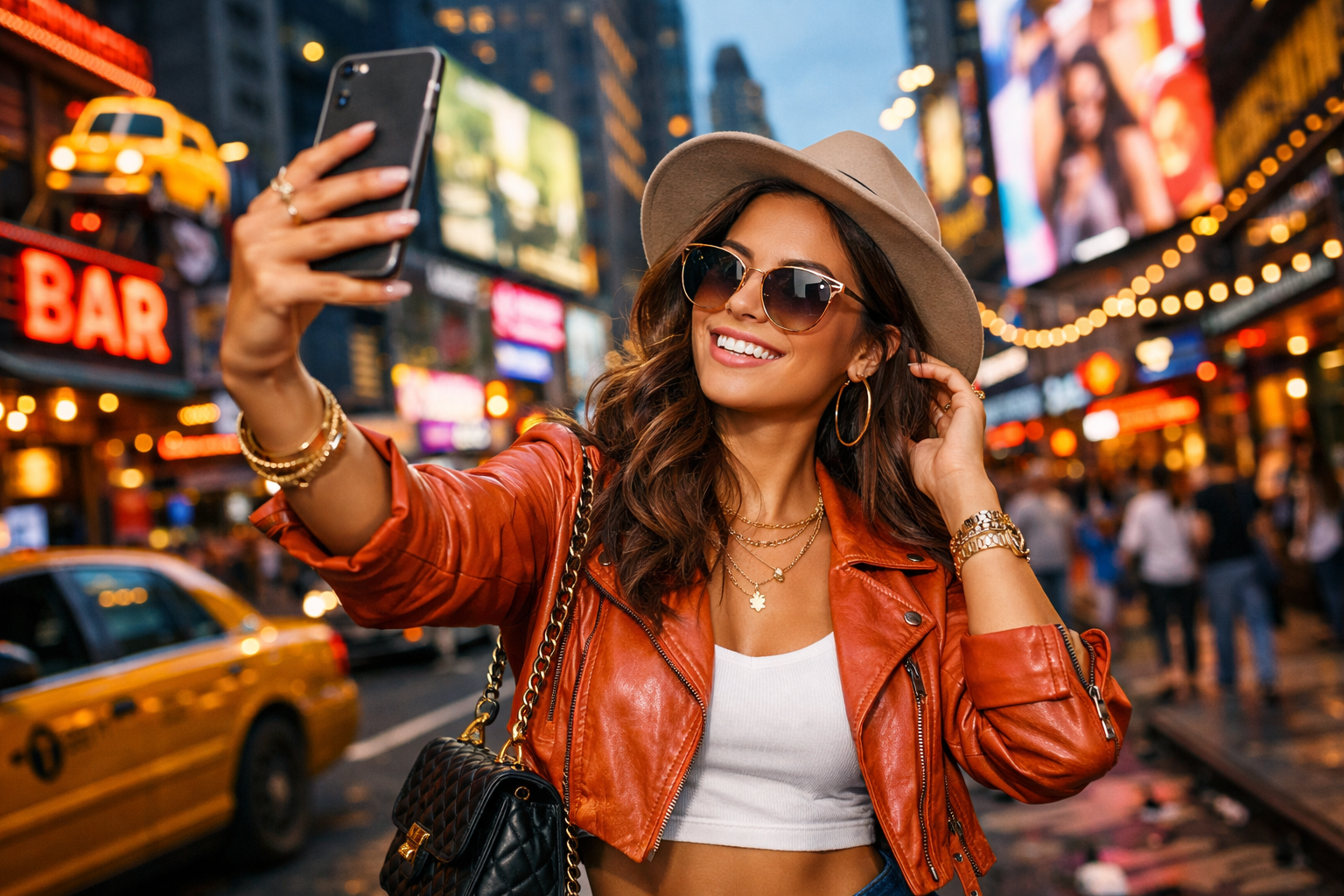
If you have ever planned a digital marketing strategy for your brand, chances are you have considered influencer marketing. Whether you have already invested in it or are still evaluating the idea, it’s normal to question its real impact. After all, while following trends is important, the long-term health of your business must always come first.
In 2022, influencer marketing became a $16.4 billion industry, and forecasts estimate it will grow to $84.89 billion by 2028. These numbers clearly show that the way consumers make purchasing decisions is changing.
With the rise of social media, people increasingly rely on digital opinion leaders for recommendations. As a result, advertising strategies have evolved to match this new consumer behaviour.
Today, digital influencers can be found on virtually every social platform. However, popularity alone is no longer the main factor — engagement with followers is what truly matters.
Instagram remains the most popular platform for influencers, followed by Facebook and X (formerly Twitter). At the same time, platforms such as TikTok and Twitch continue to grow rapidly, especially among younger audiences.
There is often confusion between celebrities and digital influencers — but they are not necessarily the same.
Not all celebrities are influencers. Influencers are content creators who invest time in planning, producing, and publishing consistent photo and video content, as well as interacting with their audience.
This level of dedication requires time, which many public figures do not have due to careers in music, film, or television. That said, some celebrities have successfully transitioned into digital influence, such as Kim Kardashian or Selena Gomez.
What makes influencers especially powerful is their diversity. There are creators for nearly every niche imaginable — fashion, fitness, technology, finance, parenting, gaming, and more.
In many cases, the right influencer may be closer than you think: a colleague sharing valuable insights on LinkedIn or a local creator posting highly engaged lifestyle content on Instagram.
While follower count is relevant, what truly matters is how strongly the influencer impacts their niche audience.
Influencer classification can vary between brands, but it is generally defined as:
Micro-influencers: up to 5,000 followers
Mid-tier influencers: up to 100,000 followers
Macro-influencers: over 500,000 followers
Micro-influencers have become increasingly popular due to their higher engagement rates. Accounts with fewer than 5,000 followers often achieve engagement rates around 5.3%, compared to approximately 1.1% for influencers with more than 100,000 followers.
Because of the lower investment required, many brands choose to collaborate with several micro-influencers rather than one large profile, increasing authenticity and reach.
However, there is no universal formula — success depends on the market, the campaign objectives, and careful influencer selection.
To understand this trend, it’s essential to look at how people consume content today.
Studies show that 46% of consumers follow influencers for product recommendations, and 74% are willing to purchase products recommended by their favourite creators.
Influencers have strong impact because audiences feel closer and more connected to them than to traditional brands. While celebrities often promote products through highly produced advertising, influencers usually present honest opinions and real-life usage.
This authenticity places pressure on influencers to promote quality products, as their credibility depends on audience trust.
Fendi & Wisdom Kaye (TikTok)
Luxury brand Fendi partnered with fashion creator Wisdom Kaye, whose video showcasing multiple styled outfits reached millions of views, demonstrating the power of short-form influencer content.
Fabletics & Micro-Influencers
Fabletics collaborated with dozens of micro-influencers for its #KickButtLookCute campaign, achieving high engagement by communicating with audiences in a more personal and relatable way.
Influencer marketing is a powerful opportunity to increase brand awareness and drive sales — but only when executed strategically.
Choosing the wrong influencer can damage brand perception, while the right partnership can significantly strengthen credibility and visibility. Alignment in values, tone, and audience is essential.
At Link37, we design influencer and social media campaigns grounded in strategic analysis, clear objectives, and measurable results.
Related articles
5 Free Marketing Automation Tools for 2026
Discover the 5 best free marketing automation tools to automate manual tasks and scale your business in 2026 without spending a cent.
Related articles
What Is an Action Plan, How to Develop It, and Examples
Learn what an action plan is, the three types used in digital marketing, how to build one in 7 steps, and examples for SEO, Google Ads and CRM.
Related articles
The End of Third-Party Cookies… Maybe Not
Google's Privacy Sandbox is reshaping online privacy: what it means for third-party cookies, user choice and digital advertising.